
How Monsters Became My Gateway to Filipino Culture
Share
For a kid in the diaspora, connecting with my roots was never a straightforward journey. It didn't happen through language lessons or history textbooks. My "gateway drug" to Filipino culture was horror.
Growing up in America, my earliest memories of being curious about my heritage were tied to my titos and titas trying to scare the shit out of me and my cousins with tales of the Aswangs, Tiyanaks, and White Ladies. We were such snot-nosed kids that the only way we’d listen was to be scared straight. Though to this day, I'm convinced my cousin Alex and I actually saw a White Lady at our family house on Singalong Street in Malate.
When I moved back to The States, these stories kinda got replaced by ones like Bloody Mary and the Chupacabra, but these creatures haunted our imaginations anyway. My Fil-Am cousins and I would gather at sleepovers and continue to scare the shit out of ourselves with these tales. The catch was that they were always passed down by our grandparents, aunts, and uncles as firsthand encounters. Every terrifying story happened to an "Auntie in the Philippines," making it feel real.
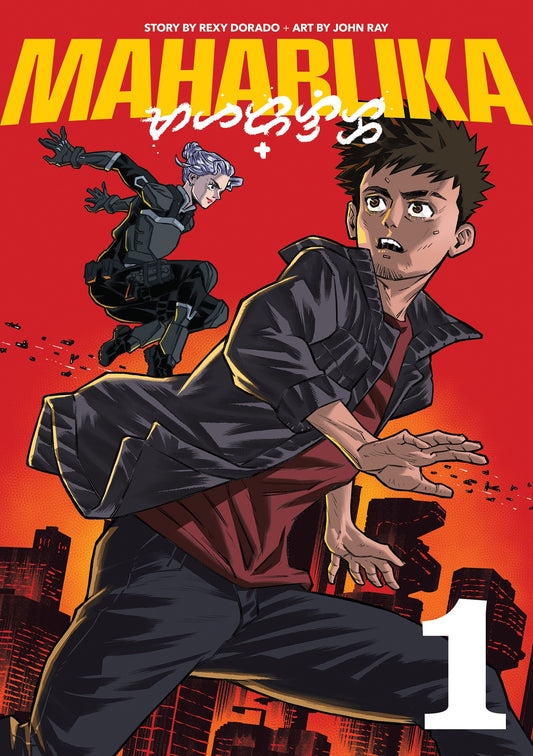
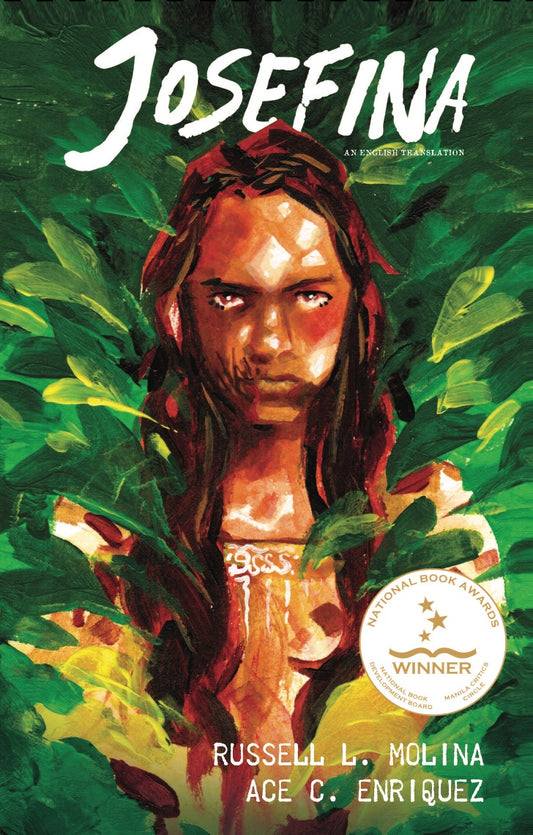
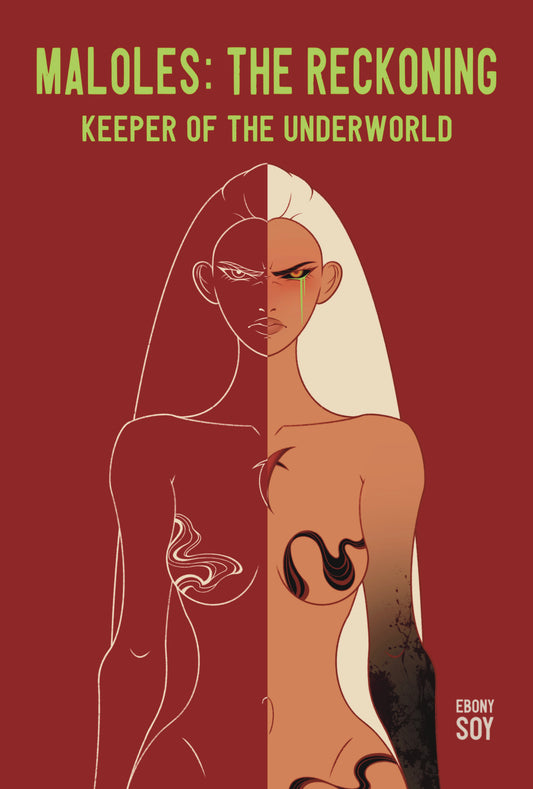
I kinda forgot about these stories as I grew up. Then came the announcement of Trese on Netflix, and I became obsessed. All those stories I vaguely remembered as a child came flooding back: urban legends right there on the pages! I started digging deeper and found gold in the work of Arnold Arre and Karl Gaverza.
At the end of the day, looking at these books makes you wonder about the psychology of fear and why monsters carry the heavy, beautiful weight of our cultural history. But when you strip away all the deep academic analysis, the truest reason I’m still completely in love with these stories is much simpler: Filipino monsters are just freaking cool.